If you live in Clear Lake, League City, or the surrounding Houston Bay Area, you’ve likely noticed a few frustrating patterns in your home. Perhaps your glassware comes out of the dishwasher covered in cloudy white spots, or your showerhead looks like it’s growing a crust of white barnacles. Maybe your skin feels perpetually dry after a bath, or your favorite “soft” towels have started to feel more like sandpaper.
These aren’t just minor household nuisances; they are the calling cards of hard water.
In the Texas Gulf Coast, water is more than just a utility—it’s a geological byproduct. While our local water is safe to drink, its high mineral content can quietly wreak havoc on your plumbing, your appliances, and your wallet. In this guide, we’ll dive deep into the science of hard water in Clear Lake, the damage it causes, and whether a whole-home water softener is a luxury or a necessity for your Texas home.
What Exactly is "Hard Water"?
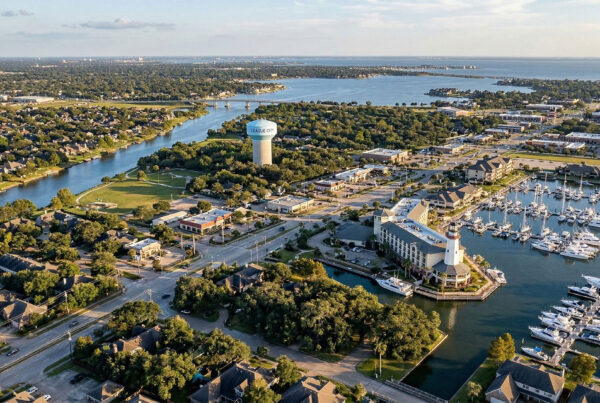
To understand the impact, we first have to look at where our water comes from. Clear Lake and League City primarily draw their water from a combination of surface water and underground aquifers. As rain filters through the layers of Texas limestone and soil, it picks up high concentrations of dissolved minerals—specifically calcium and magnesium.
Water is classified by its “hardness” based on the amount of these minerals present, measured in grains per gallon (gpg) or parts per million (ppm):
| Classification | Grains Per Gallon (gpg) | Parts Per Million (ppm) |
| Soft | 0 – 1.0 | 0 – 17.1 |
| Slightly Hard | 1.1 – 3.5 | 17.2 – 60 |
| Moderately Hard | 3.6 – 7.0 | 61 – 120 |
| Hard | 7.1 – 10.5 | 121 – 180 |
| Very Hard | 10.6+ | 181+ |
The Houston Reality: Most homes in the Clear Lake area fall squarely into the “Hard” to “Very Hard” categories, often testing between 8 and 15 grains per gallon.
4 Ways Hard Water is Quietly Damaging Your Home
While calcium and magnesium aren’t harmful to ingest, they are “sticky” minerals. When hard water is heated or left to sit, these minerals solidify into a rock-like substance known as limescale.
1. The “Arteries” of Your Home: Pipe Clogging
Just as cholesterol clogs human arteries, limescale builds up inside your plumbing pipes. Over time, this scale narrows the diameter of the pipe, leading to:
Decreased Water Pressure: You’ll notice the “oomph” disappearing from your morning shower.
Pin-hole Leaks: Paradoxically, while scale clogs pipes, it can also cause corrosion in copper and galvanized steel lines, leading to expensive slab leaks.
2. The Appliance Killer: Efficiency Loss
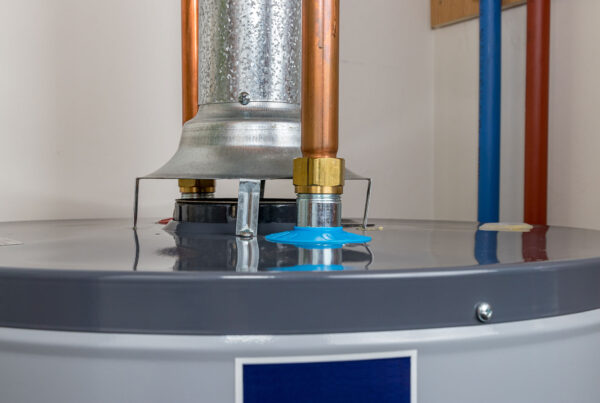
Your water heater is the hardest hit. As minerals settle at the bottom of the tank, they create a thick layer of “rock” between the burner and the water.
Energy Inefficiency: Your heater has to work twice as hard to heat through that mineral crust, spiking your gas or electric bill.
Shortened Lifespan: A standard water heater that should last 12 years might fail in just 6 or 7 due to sediment buildup and overheating.
3. The “Soap Scum” Struggle
Hard water minerals react with soap to create a gray, sticky curd instead of a rich lather.
Laundry Issues: Fabrics become stiff, colors fade, and whites turn dingy.
Etched Dishes: That “cloudiness” on your wine glasses isn’t just dirt; it’s often permanent etching caused by the abrasive minerals in the wash cycle.
4. Personal Health: Dry Skin and Dull Hair
Hard water strips the natural oils from your skin and hair. If you struggle with eczema, dry scalp, or frizzy hair, the culprit might be coming out of your faucet. The soap residue left behind by hard water can block pores and cause irritation.
How a Water Softener Works
A whole-home water softener solves these problems through a process called ion exchange.
Inside the softener tank are millions of tiny resin beads. These beads are “charged” with sodium ions. When hard water enters the tank, the calcium and magnesium minerals (which have a positive charge) stick to the resin beads, “trading places” with the sodium. The result is “softened” water that enters your home free of scale-forming minerals.
Is a Water Softener Worth It for Clear Lake Residents?
The short answer for most Houston-area homeowners is yes, but let’s look at the Return on Investment (ROI).
The Costs:
- Initial Investment: A high-quality, professionally installed water softener in the Houston area typically ranges from $2,500 to $3,500.
- Monthly Maintenance: You’ll need to add a few bags of salt to the brine tank (approx. $10–$20/month).
The Savings:
- Appliance Longevity: Extending the life of your $1,200 water heater and $800 dishwasher by 5+ years pays for the system itself.
- Lower Utility Bills: Softened water can improve water heater efficiency by up to 24%.
- Reduced Detergent Use: You can use 50% less soap, shampoo, and laundry detergent because soft water lathers so much more effectively.
- Plumbing Peace of Mind: Avoiding a single $2,000 slab leak repair makes the softener the best insurance policy you can buy for your home.
Choosing the Right System for the Bay Area
If you’re ready to make the switch, don’t just grab the cheapest unit at a big-box store. Because of our specific water chemistry, you need a system that can handle both hardness and the chlorine levels often found in municipal water.
What to Look For:
- Correct Grain Capacity: For a typical 3-bedroom home in Clear Lake, a 48,000-grain system is usually the “sweet spot.”
- Cross-Linked Resin: This type of resin is more resistant to the chlorine in our city water, meaning it will last 15 years instead of 5.
- Digital On-Demand Regeneration: This ensures the system only cleans itself when necessary, saving you money on water and salt.
Choosing the Right System for the Bay Area
In a region with water as hard as ours, a water softener isn’t just a “luxury” upgrade—it is a foundational component of home maintenance. By removing the minerals that age your home prematurely, you aren’t just getting softer skin and clearer dishes; you are protecting the massive investment that is your plumbing system.
Ready to see the difference for yourself? At Space City Plumbing, we specialize in water quality solutions tailored specifically for the League City and Clear Lake communities. Don’t let hard water “stone” your pipes—contact us today for a water hardness test and a custom quote on a whole-home softening system!