
There is a unique rhythm to life in League City and the surrounding Bay Area. We have the coastal breeze, the proximity to the water, and the established, tree-lined streets of neighborhoods like South Shore Harbour, Victory Lakes, and the Historic District. For those of us who have called this area home for fifteen, twenty, or even thirty years, our homes have become more than just property—they are the backdrops to our best memories.
However, as our communities reach these milestones, our homes are crossing an invisible threshold. While the coastal aesthetic is timeless and the mature landscaping is better than ever, the internal systems—specifically your plumbing—are quietly entering their “senior years.” In a coastal environment like ours, the transition from “everything is new” to “everything needs attention” happens with a specific set of challenges that residents in other parts of Texas don’t have to face.
At Space City Plumbing, we’ve spent years under the sinks, in the crawlspaces, and on the roofs of League City. We know the specific “Bay Area Factor” that affects your pipes. To keep your home running smoothly for the next thirty years, it’s vital to understand what’s happening behind your walls and beneath your foundation.
The Invisible Lifecycle of a Suburban Home
When we talk about plumbing, we often think of it as a permanent part of the house, much like the foundation or the framing. In reality, plumbing is a collection of mechanical systems and materials that all have an expiration date. In League City, environmental factors can push those dates closer than you might expect.
Our high humidity, high-salt coastal environment, and extremely “heavy” clay soil create a “perfect storm” for plumbing wear and tear. If your home was part of the residential booms of the 90s or early 2000s, you likely have a mix of copper or PEX supply lines and PVC drain lines. While these materials are durable, they aren’t immortal. Understanding this lifecycle isn’t about causing alarm; it’s about shifting your mindset from reactive repairs to proactive stewardship.
The Heart of the Home: Water Heaters and Coastal Corrosion
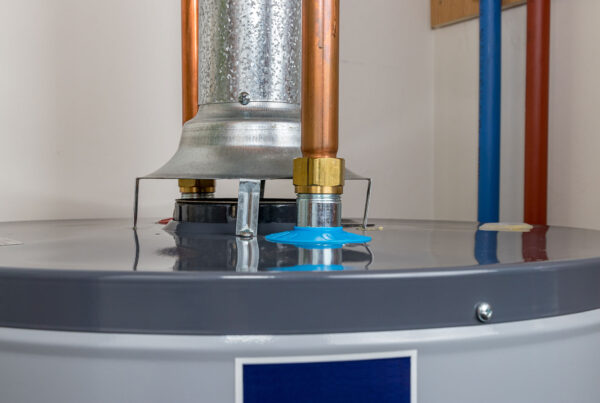
Perhaps no single appliance works harder in your home than the water heater. In the Bay Area, we deal with “hard water,” which is essentially water with a high concentration of minerals like calcium and magnesium. While these minerals aren’t harmful to your health, they are a slow-motion disaster for plumbing appliances.
As water is heated inside your tank, these minerals solidify and settle at the bottom. Over a decade or more, this sediment builds up into a thick, rock-like layer. This creates a two-fold problem. First, it acts as an insulator between the heating element and the water, forcing your heater to run much longer and hotter to reach the desired temperature. This drives up your energy bills and puts immense thermal stress on the tank’s steel walls. Second, that sediment takes up physical space, meaning you actually have less hot water available for those morning showers than you did when the heater was new.
For a League City resident, replacing a tank proactively is far better than dealing with the aftermath of a rusted-out bottom that dumps fifty gallons of water into your garage or utility room.
This is also a great time to consider the transition to tankless technology. Many of your neighbors are making the switch because tankless units don’t store water, meaning they don’t suffer from the same sediment buildup issues. They offer endless hot water and a significantly longer lifespan—often twenty years or more—making them a wise investment for someone planning to stay in their home for the long haul.
The Silent Threat of “Frozen” Valves
One of the most overlooked aspects of an older plumbing system is the health of your shut-off valves. These are the small handles located under your sinks, behind your toilets, and at the main water entry point to your home. In a coastal environment, the salty, humid air can cause these valves to corrode and “seize” or “freeze” much faster than in inland cities.
Over twenty years of disuse, mineral deposits and external corrosion can lock the valve in the open position. If a pipe bursts while you’re enjoying the Kemah Boardwalk for the afternoon, and you come home to find that the shut-off valve won’t budge, a minor repair quickly turns into a major insurance claim.
For long-time residents, we recommend a simple “annual exercise.” Once a year, walk through your home and gently turn every valve off and then back on. This keeps the internal seals lubricated and prevents mineral buildup from locking the mechanism. If you find a valve that feels “crunchy” or simply won’t turn, don’t force it—that’s a sign the internal components are failing. Replacing these older valves with modern, stainless steel quarter-turn ball valves is one of the most cost-effective ways to “future-proof” your home against water damage.
The Battle Beneath the Surface: Roots and Shifting Bay Area Clay
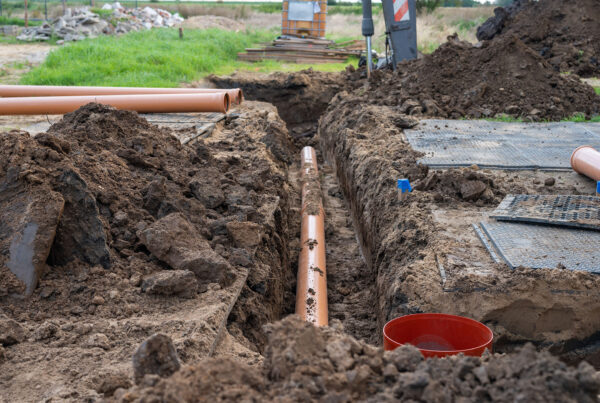
League City is famous for its lush greenery and massive, established oaks, especially in the Historic District. While these trees provide incredible shade and curb appeal, their root systems are opportunistic explorers. As your home ages, the PVC sewer lines buried in your yard can develop tiny stress fractures from the shifting Gulf Coast clay. These fractures release a microscopic amount of moisture and nutrients into the soil—essentially a beacon for thirsty tree roots.
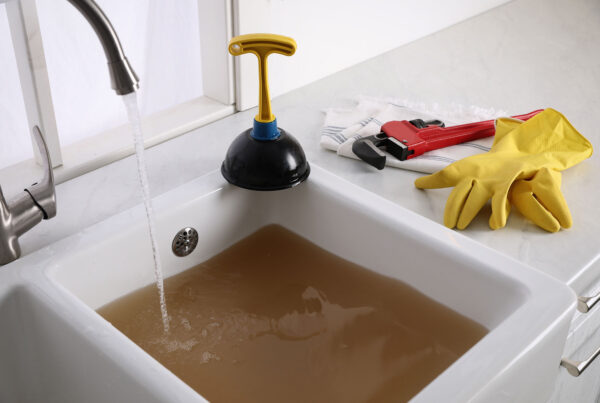
Once a root finds a way into a sewer line through a tiny crack or a loosened joint, it begins to grow rapidly. What starts as a single fiber can become a massive “root ball” inside your pipe in just a few seasons. This is the primary cause of those frustrating, recurring backups that many long-time residents experience.
If you’ve noticed that your toilets gurgle when the washing machine drains, or if your showers are draining more slowly than they used to, you might be in the early stages of root intrusion. The old-school way of dealing with this was to simply “snake” the drain, which acts like a haircut for the roots—they just grow back thicker. At Space City Plumbing, we use high-definition sewer cameras to see exactly where the intrusion is happening. This allows us to use advanced methods like hydro-jetting to completely clear the line or localized repairs that fix the pipe without destroying your beautiful landscaping.
Pipe Health: Pinhole Leaks and Coastal Humidity
The material of your pipes matters deeply as your home crosses the twenty-year mark. Many homes in the Bay Area were built with copper supply lines. Copper is a fantastic material, but it is susceptible to “pitting corrosion,” especially in areas with high humidity, salty air, and specific water chemistry. This eventually creates tiny, needle-sized holes in the pipe.
These pinhole leaks are particularly dangerous because they often occur behind drywall or under insulation in the attic. They don’t always cause a “flood”; instead, they create a slow drip that leads to mold growth and structural rot long before you see a water spot on the ceiling. If you’ve noticed a slight, persistent musty smell in a certain room, or if your water bill has crept up for no reason, it’s worth having a professional look at your visible piping.
The Foundation Connection: Slabs and Coastal Shifting
You cannot talk about plumbing in the Bay Area without talking about the soil. Our “expansive clay” is famous for its ability to heave and shrink with the weather. For a home that has sat on the same slab in League City for twenty-five years, that foundation has gone through hundreds of cycles of movement.
This movement creates “shear stress” on the plumbing lines that enter and exit your slab. In older homes, the “sleeves” that protect these pipes can wear out, or the pipes can become trapped by the shifting concrete. This is the primary cause of slab leaks.
Long-time residents should be vigilant for “hot spots” on the floor, damp baseboards, or a water meter that spins even when everything is turned off. Because these leaks happen under the concrete, they can wash away the soil supporting your home, leading to foundation cracks. Early detection through acoustic testing can save you from a repair that costs tens of thousands of dollars.
A Proactive Maintenance Plan for the Space City Homeowner
The key to enjoying your home for another several decades is simple: stop treating plumbing as a “fix it when it breaks” system. Instead, adopt a “long-time resident” maintenance mindset. This doesn’t require a massive budget, just a little bit of consistency.
- Annual Water Heater Flush: Once a year, drain a few gallons from the bottom of your tank to remove sediment.
- Fixture Inspections: Every few months, look under your sinks with a flashlight. Look for “calcification” (white, crusty buildup) on joints, which is a sign of a slow, evaporating leak.
- Check Appliance Hoses: Replace rubber washing machine hoses with braided stainless steel versions to prevent bursts.
- Main Shut-off Awareness: Ensure everyone in your family knows exactly where the main water shut-off valve is located (usually near the street or in the garage) and that it is accessible and functional.
- Check Outdoor Faucets: The salty air can degrade outdoor spigots. Ensure they are covered in winter and not leaking into your foundation during the summer.
Conclusion: Protecting Your Slice of the Bay Area
League City is more than just a place to live; for many of us, it’s where we’ve raised families and built our futures. Our homes are the backdrop to those memories, and maintaining them is an act of stewardship. By understanding the unique challenges that aging plumbing faces in our specific coastal environment, you can ensure that your home remains the safe, comfortable sanctuary it has always been.
Plumbing doesn’t have to be a source of stress. With a proactive approach, modern technology, and a little local knowledge, you can stay ahead of the “25-year curve” and keep the water flowing perfectly for the next generation.
Is your older home due for a check-up? At Space City Plumbing, we’ve spent years serving the families of League City and the Bay Area. We specialize in helping long-time residents navigate the “senior years” of their homes with expert audits, non-invasive leak detection, and honest advice. Contact us today to schedule your home plumbing health assessment.