Let’s be real for a second—living in Clear Lake, Seabrook, or League City usually means we’re worrying about high humidity, hurricane season, or whether the mosquitoes are big enough to carry off a small pet. Cold weather? That’s usually just a two-day break from the heat where we get to wear a hoodie before going back to flip-flops. But as we’ve seen over the last few years, those “once-in-a-century” freezes are starting to show up a lot more often. And if you’ve lived around here long enough, you know that our houses just weren’t built for the “Big Freeze.”
At Space City Plumbing, we’re not just the guys you call when a pipe bursts; we’re your neighbors. We shop at the same grocery stores and drive the same NASA bypass traffic. We’ve seen exactly what happens when an arctic front slams into the coast, and it isn’t pretty. But here’s the good news: most of the plumbing nightmares we see during a freeze are totally preventable. You don’t need a degree in engineering to protect your home or business; you just need a little bit of local “know-how” and a plan. This guide is our way of making sure the only thing freezing this winter is the ice in your cooler, not the water in your walls.
Why Our Houses Are "Freeze Magnets"
If you moved here from up north, you probably look at how we build houses and scratch your head. Up there, they bury pipes deep underground and keep everything inside heated basements. Down here in the Clear Lake area, we build on concrete slabs. To save space and keep things cool in the summer, we run our water lines through the attic or along the outside edges of the house. In July, that’s great. In January, when a hard freeze hits, those pipes are basically sitting in a giant refrigerator.
When water freezes, it does something pretty weird—it expands. It’s the only liquid that gets bigger when it turns into a solid. When that ice forms inside your copper or PEX pipe, it acts like a plug. The real trouble happens because that ice plug traps water between itself and your faucet. As more ice forms, the pressure in that tiny trapped space goes through the roof. It’s not the ice that usually cracks the pipe; it’s the extreme water pressure that has nowhere to go. Eventually, something’s gotta give, and that’s usually a joint in your attic or a pipe hidden behind your siding.
The Usual Suspects: Where Residents Get Hit Hardest
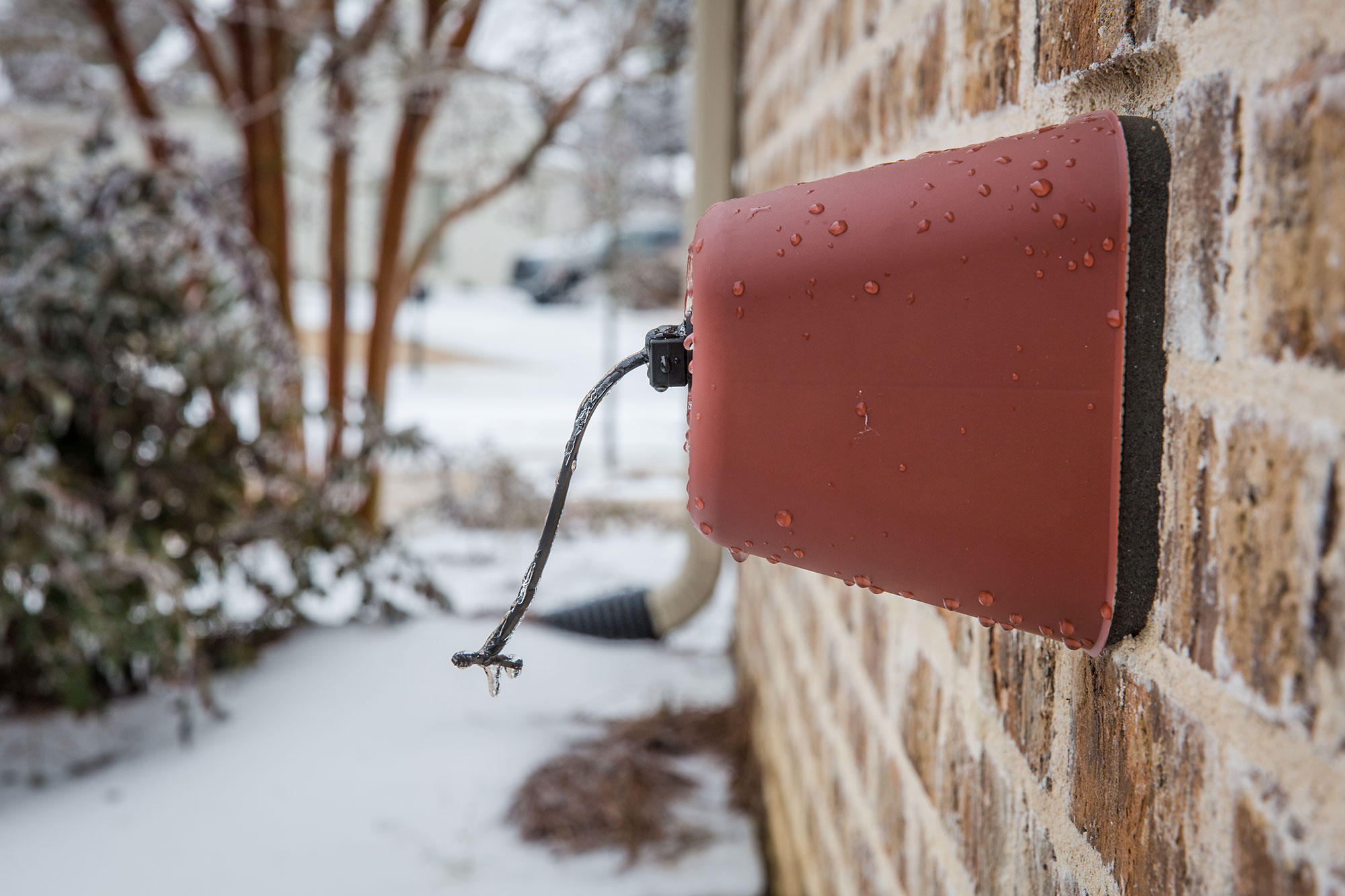
For most of us living in neighborhoods like Bay Forest or South Shore Harbour, the biggest threat is actually outside. Those little outdoor faucets, or hose bibs, are the #1 cause of “surprise” floods. Most people remember to wrap them, but they forget the most important part: you have to unhook your garden hose. If you leave a hose attached, it holds water right up against the faucet. When that water freezes, it expands back into the house and ruptures the pipe inside the wall. You won’t even know it happened until it warms up and you find a swamp in your living room.
Then there’s the attic. A lot of newer homes in League City use PEX piping, which is that flexible blue and red plastic tubing. It’s tougher than copper when it comes to freezing because it can stretch a little bit. But don’t let that give you a false sense of security. The brass fittings that connect those pipes don’t stretch at all. Plus, if your insulation has been moved around by an AC tech or just settled over time, your pipes might be sitting on top of the “warm” blanket of your ceiling instead of being tucked under it.
Business as Usual (Even When It's Cold)
If you’re running a business near the Johnson Space Center or along the water in Seabrook, a plumbing disaster is a massive headache you don’t need. Commercial plumbing is a whole different beast. You’ve got larger lines, fire suppression systems, and the big one: backflow preventers. Those big brass assemblies you see outside in the green boxes? They’re super sensitive to cold.
Because backflow units are made of heavy brass and have delicate valves inside, they can crack the second the temperature stays below freezing for more than a few hours. For a business, this means no water, potential fines, and a repair bill that’s way higher than a residential fix. We always tell our commercial neighbors that a custom-fit “hot box” or even a well-installed heat-trace system is the best insurance policy you can buy. It’s a lot cheaper to keep that unit warm than it is to replace the whole assembly in the middle of a freeze.
The "High-Tech" Problem: Tankless Water Heaters
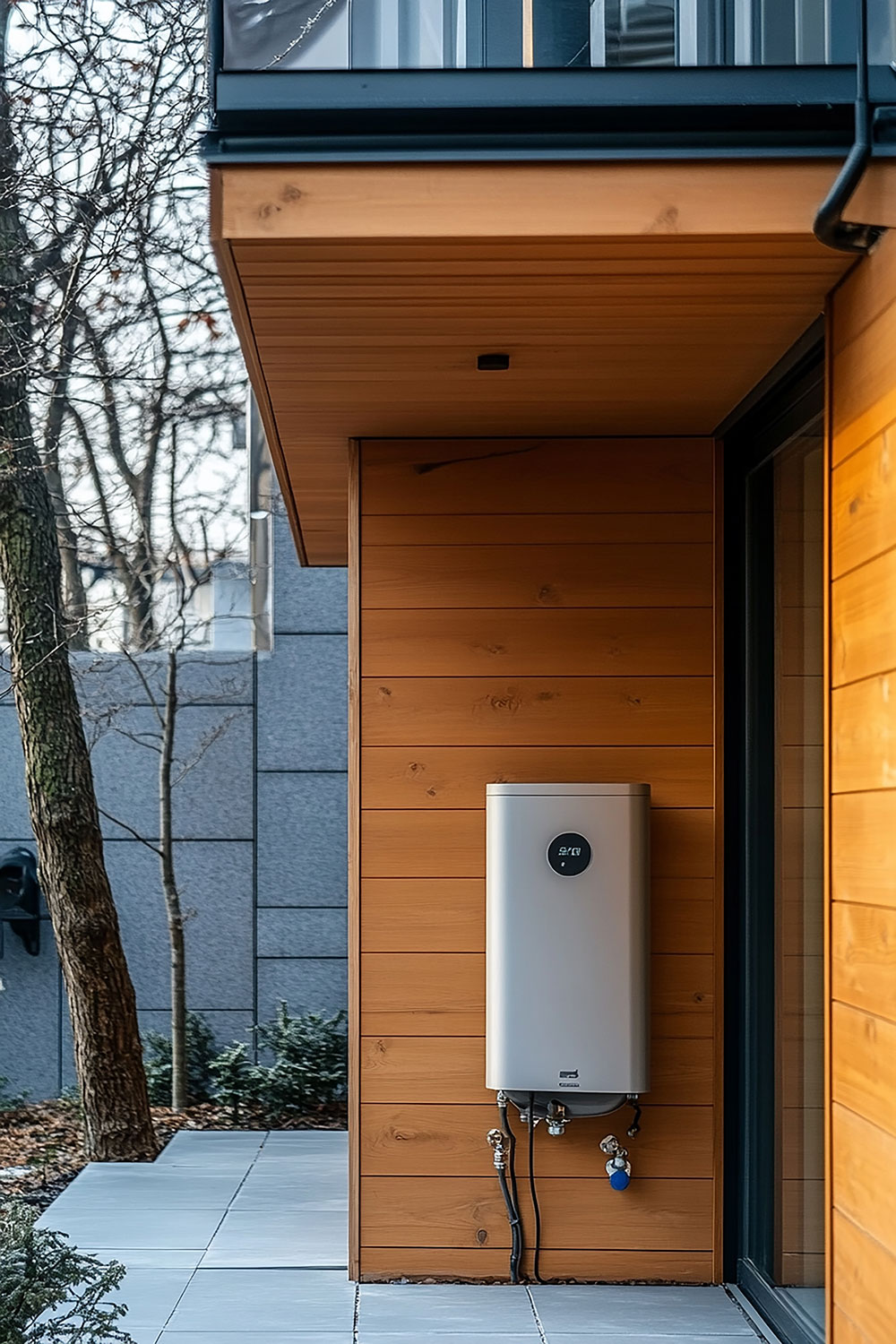
We all love tankless water heaters. They’re small, they give us endless hot water, and they’re great for the environment. But in a Clear Lake freeze, they have a “glass jaw.” Most of these units are mounted on the outside of the house to save space. They have built-in heaters to keep themselves from freezing, but those heaters need electricity.
If the power goes out during a winter storm—which happens more than we’d like—that freeze protection shuts off. The water inside the copper heat exchanger is in such a small space that it can freeze and crack in minutes. If you’re expecting a long power outage and it’s below freezing, you’ve got to drain that unit. It’s a five-minute job that saves you a couple of thousand dollars. If you aren’t sure how to do it, give us a call before the storm hits; we’d rather teach you how to drain it than have to replace the whole thing for you later.
Moving Beyond Just "Dripping" the Faucets
We’ve all heard the advice to “drip your faucets,” and it’s solid advice. It keeps water moving and, more importantly, it relieves that pressure build-up we talked about. But dripping isn’t a magic wand. If you want to be the person who sleeps like a baby during a hard freeze, you need a “layered defense.”
Start with the basics: insulation. Every exposed pipe should be wrapped, but remember that insulation is just a “coat”—it doesn’t generate heat. For pipes in really cold spots, like a garage or a drafty attic, you might want to consider heat tape. These are cables that actually warm up the pipe when it gets cold. Also, don’t forget the “cabinet trick.” If you have a sink on an outside wall, open those cabinet doors. It lets the heat from your house get back to the pipes. It’s simple, it’s free, and it works.
For our tech-loving neighbors, we’re big fans of smart leak detectors. These devices sit on your main water line and can tell if there’s a tiny leak or a massive burst. They can even shut your water off automatically. Imagine being at work or even out of town and getting an alert that your water was shut off because a pipe burst. It’s the difference between coming home to a small puddle and coming home to a ruined house.
What to Do When the "Ice Age" Arrives
When the freeze is actually happening, your job is to stay vigilant. If you turn on a faucet and only get a tiny trickle, don’t panic, but act fast. You likely have a localized freeze. Whatever you do, do not use a blowtorch or any kind of open flame to thaw it. We’ve seen too many people accidentally set their attics on fire trying to fix a pipe. A hair dryer or a safe space heater is all you need. Be patient and gentle.
The most important tool in your house isn’t a wrench—it’s your knowledge of where the main water shut-off valve is. Usually, it’s out by the street in a plastic or concrete box. During a freeze, those boxes can be hard to open if they’re iced over. Have a “water key” ready and make sure everyone in the house knows how to use it. If a pipe bursts, every second you spend looking for the valve is more water damaging your floors and walls.
The Thaw: The Most Dangerous Hour
Here’s a secret from the plumbing world: the freeze doesn’t usually cause the flood; the thaw does. While the pipe is frozen, the ice acts as a plug. You won’t know the pipe is broken until the ice melts and the water starts flowing again. This is when the chaos usually starts in Clear Lake.
As things start to warm up, do a “victory lap” around your property. Listen for the sound of running water in the walls. Check the ceilings for any damp spots. Look at your water meter—if that little dial is spinning and you aren’t running the dishwasher, you’ve got a problem. The faster you catch a leak during the thaw, the less chance you have of dealing with mold or major structural repairs later on.
Why Space City Plumbing is Your Best Bet
Look, there are a lot of plumbers you could call, but we’re the ones who know Clear Lake. We know the difference between the plumbing in a 1970s house in Seabrook and a brand-new build in League City. We understand the local codes, the local weather patterns, and the local stress that comes with a “hard freeze” warning.
We keep our trucks stocked and our team ready because we know that when it’s 15 degrees outside, you don’t want a “maybe” or a “we’ll be there in three days.” You want someone who knows exactly where your pipes are likely to break and how to fix them fast. We’re here to build authority through our work and relevance through our service. We’re Space City Plumbing, and we’ve got your back—no matter how cold it gets.
Space City Winter Freeze Survival Checklist
🏠 Outdoor Prep (24 Hours Before)
- Unhook garden hoses: Disconnect and drain every hose.
- Cover faucets: Use insulated foam "socks" or heavy towels and duct tape.
- Backflow Units: (Commercial) Check that your insulated hot-box is closed.
- Sprinklers: Drain the main irrigation line and turn off the controller.
📦 Attic & Garage (The Hidden Danger)
- Check insulation: Ensure no pipes are touching the cold attic air directly.
- Close the garage: Keep big garage doors closed to trap interior heat.
- Seal gaps: Use foam to plug holes where pipes enter the home from the outside.
🚿 Indoor Actions (During the Freeze)
- Drip the faucets: A steady drip on all exterior-wall faucets (Hot & Cold).
- Open cabinets: Keep sink cabinet doors open to let room heat reach the pipes.
- Tankless Units: If power goes out, drain the unit manually via the bottom valves.
- Thermostat: Keep it at 65°F or higher until the thaw is complete.
🚨 Emergency Gear
- Water Meter Key: Keep it in a spot everyone knows (garage or mudroom).
- Flashlight: Check for leaks in dark attics as soon as the thaw starts.
- Space City Plumbing: Save [Your Phone Number] in your contacts.
Brought to you by Space City Plumbing - Your Clear Lake Neighbors.