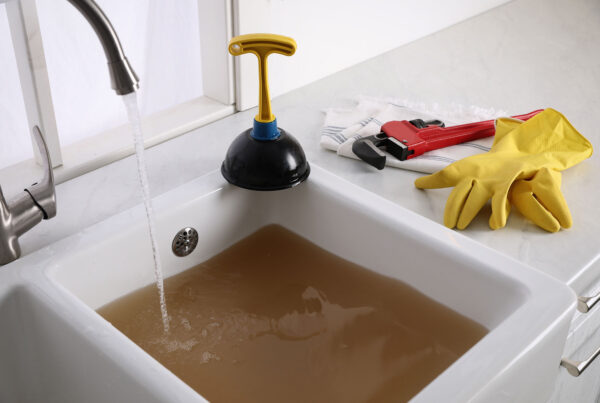
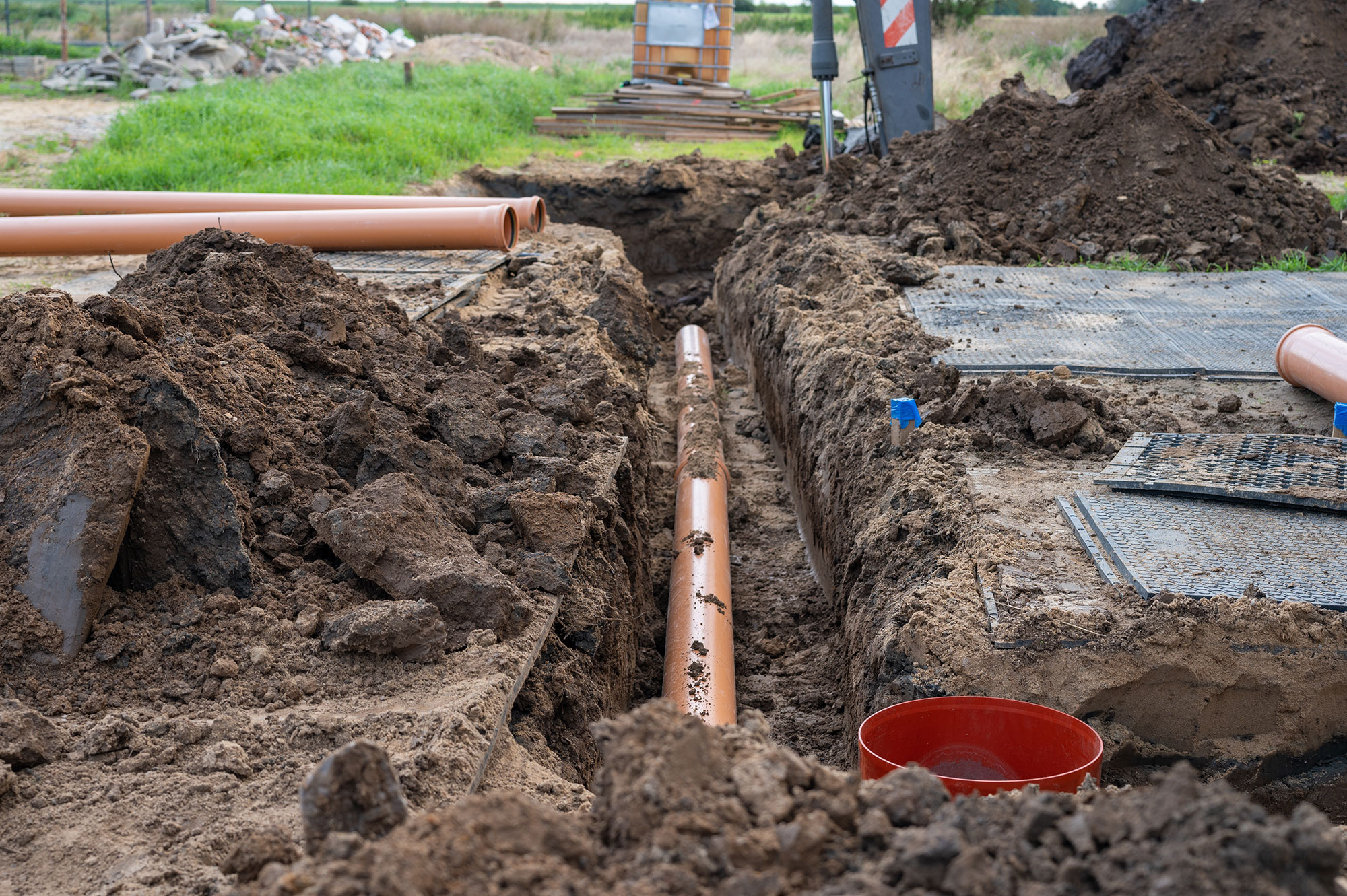
Sewer line problems are one of the most stressful plumbing issues a homeowner can face—especially in Clear Lake, where older homes, clay soil, and a high water table create the perfect storm for underground plumbing trouble. One day everything drains fine. The next, sewage backs up, toilets gurgle, or foul odors creep into the house. Suddenly, you’re left wondering two critical questions:
Can this be repaired? Or does the entire sewer line need to be replaced?
The answer isn’t always straightforward. In fact, many homeowners are told they need a full sewer line replacement when a targeted repair would solve the problem just as effectively—and at a fraction of the cost. On the flip side, there are situations where repairing a failing sewer line only delays the inevitable and leads to repeated emergencies.
This guide breaks down how sewer lines fail in Clear Lake homes, the most common warning signs, and—most importantly—how professionals determine whether repair is enough or replacement truly makes sense.
Why Sewer Line Problems Are Common in Clear Lake
Clear Lake has a unique combination of environmental and structural factors that put added stress on sewer systems.
Older Homes and Aging Pipes
Many neighborhoods around Clear Lake were developed between the 1960s and 1990s. Homes from this era often used cast iron, clay, or Orangeburg piping, all of which have limited lifespans. As these materials age, they corrode, crack, or collapse—especially underground where damage isn’t visible.
Clay Soil and Ground Movement
Clay soil expands when wet and contracts when dry. Over time, this movement shifts pipes, creates misaligned joints, and causes cracks. Even a small shift underground can compromise an entire sewer line.
High Water Table
Clear Lake’s proximity to the Gulf means groundwater levels are often high. Excess moisture increases soil pressure around sewer lines and accelerates corrosion, particularly in older cast iron pipes.
Tree Root Intrusion
Mature trees are common in established Clear Lake neighborhoods. Roots naturally seek moisture and can enter sewer lines through small cracks or joints, eventually causing blockages or structural damage.
Common Warning Signs of Sewer Line Trouble
Sewer line problems rarely happen without warning. Knowing the early signs can help homeowners address issues before they escalate into major damage.
Frequent Drain Backups
If multiple drains clog at once—or if backups keep returning despite professional drain cleaning—it may indicate a deeper sewer line issue rather than a simple blockage.
Gurgling Sounds
Strange noises coming from toilets or drains often signal trapped air caused by partial blockages or damaged pipes.
Sewage Odors Indoors or Outdoors
Persistent sewer smells are never normal. Odors may indicate cracked pipes, separated joints, or sewer gas escaping underground.
Slow Drains Throughout the Home
One slow drain might be a localized clog. Multiple slow drains usually point to a main sewer line problem.
Wet Spots or Sinkholes in the Yard
Unexplained soggy areas, patches of extra-green grass, or sunken areas can signal a leaking sewer line beneath the surface.
When Sewer Line Repair Is Enough
Not every sewer line problem requires full replacement. In many cases, targeted repairs restore full functionality without the cost or disruption of replacing the entire line.
Localized Damage
If camera inspection reveals a single cracked section, offset joint, or small root intrusion, repairing just that area is often the smartest solution.
Minor Root Intrusion
Roots that have entered through joints or small cracks can often be removed using hydro jetting or mechanical cutting, followed by sealing or spot repair to prevent regrowth.
Pipe Bellies (Sagging Sections)
A “belly” occurs when part of the pipe sinks, allowing waste to collect. If the sag is limited to a short section, excavation and repair of that portion may be sufficient.
Early-Stage Corrosion
Cast iron pipes often corrode from the inside out. If corrosion hasn’t compromised the pipe’s structural integrity, targeted repairs may extend its lifespan.
Cost-Effective Short-Term Solutions
In situations where homeowners plan to sell or remodel in the near future, repair may be a reasonable interim option when full replacement isn’t yet necessary.
Key takeaway: Repairs make sense when damage is isolated, the rest of the line is structurally sound, and future failures are unlikely in the short term.
When Sewer Line Replacement Makes Sense
There are times when repairing a sewer line is simply throwing good money after bad. Replacement becomes the smarter long-term investment when problems are widespread or structural.
Extensive Pipe Deterioration
If camera inspection shows multiple cracks, collapsing sections, or heavy corrosion throughout the line, replacement is usually the only reliable solution.
Recurring Backups Despite Repairs
Repeated sewer backups—even after cleaning or repairs—often indicate a failing system that can no longer function properly.
Collapsed or Severely Offset Pipes
Once a sewer pipe collapses or shifts significantly, waste flow is compromised. Repairs may be temporary at best.
Outdated Pipe Materials
Orangeburg piping, common in mid-century homes, deteriorates over time and cannot be reliably repaired. Replacement is the only permanent fix.
Preparing for Major Renovations
If you’re remodeling or adding to your home, replacing an aging sewer line proactively can prevent costly failures later.
Key takeaway: Replacement makes sense when problems are systemic, ongoing, or tied to obsolete materials that can’t be reliably repaired.
Sewer Line Repair vs. Replacement: Cost Considerations
Homeowners often fear sewer line replacement because of cost—but repeated repairs can quietly exceed replacement costs over time.
Repair Costs
- Typically lower upfront
- Minimal excavation
- Faster completion
- Best for isolated issues
Replacement Costs
- Higher initial investment
- Long-term reliability
- Fewer future emergencies
- Increased property value
- Peace of mind
A reputable plumber won’t push replacement unless it’s genuinely the best solution. Instead, they’ll explain why a repair won’t last—or why it might.
The Importance of Sewer Camera Inspections
Modern sewer diagnostics rely on camera inspections, not guesswork. A sewer camera allows plumbers to see inside the line and pinpoint:
- Cracks
- Root intrusion
- Bellies
- Corrosion
- Collapses
- Misaligned joints
This visual evidence removes uncertainty and empowers homeowners to make informed decisions rather than relying on assumptions.
Why Second Opinions Matter
Unfortunately, sewer line replacement is sometimes recommended when a repair would suffice. That’s why second opinions are invaluable—especially for high-dollar repairs.
A trustworthy plumbing company will:
- Show you the camera footage
- Explain the problem clearly
- Outline repair and replacement options
- Let you decide without pressure
Homeowners in Clear Lake regularly save thousands simply by getting another professional evaluation.
How Clear Lake Homeowners Can Prevent Sewer Line Problems
While not all sewer issues are preventable, proactive maintenance reduces risk significantly.
Schedule Periodic Camera Inspections
Especially for older homes, inspections catch problems early before they become emergencies.
Avoid Chemical Drain Cleaners
These products can corrode pipes and worsen existing damage.
Be Mindful of What Goes Down the Drain
Grease, wipes, and food waste accelerate blockages and pipe wear.
Address Small Issues Early
Recurring slow drains or minor backups are early warnings—don’t ignore them.
Choosing the Right Plumbing Partner in Clear Lake
When dealing with sewer line issues, experience and integrity matter. Look for a plumber who:
- Specializes in sewer diagnostics
- Uses camera inspections
- Explains options clearly
- Offers repair and replacement
- Has strong local reviews
- Knows Clear Lake soil and infrastructure
Local expertise makes a difference—especially in neighborhoods with older sewer systems and unique environmental challenges.
Final Thoughts: Repair or Replace? It Depends on the Facts
Sewer line problems don’t have one-size-fits-all solutions. In Clear Lake homes, the right answer depends on:
- Pipe material
- Age of the system
- Extent of damage
- Frequency of issues
- Long-term plans for the property
The most important step is getting an accurate diagnosis—not assumptions. With the right information, homeowners can choose the most cost-effective, reliable solution with confidence.
If you’re experiencing sewer line issues in Clear Lake, addressing them early can save thousands, protect your home, and restore peace of mind.